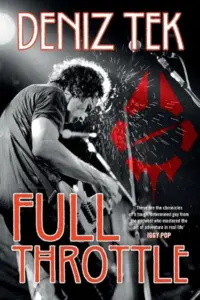

In his new memoir Full Throttle, Radio Birdman’s Deniz Tek talks about his life on the road with one of Australia’s pioneering ‘70s rock’n’roll bands to his career working as a doctor in emergency hospital and as a former Marine Corps flight surgeon.
Tek, who was born in Ann Arbor Michigan in the 1960s, moved to Australia in the 70s; and formed a band that would become a cornerstone of the punk rock movement in Australia.
Deniz Tek spoke to The Write Drop
WHY WAS WRITING YOUR MEMOIR FULL THROTTLE IMPORTANT TO YOU?
Friends and family always would tell me I should write a book, that I had some interesting stories – I knew it was important I write them down. Off the back of that, I started writing stories and it became a regular thing I did intermittently over the last few years. It led to this book.
YOU HAVE A GREAT MEMORY FOR DETAIL – SOME STORIES GO BACK TO THE FORMATIVE YEARS OF RADIO BIRDMAN IN THE 1970S.
I never wrote any of the memories down as they were happening, but I do have an excellent memory for facts. It’s one of the reasons I was able to get through medical school and be in a band at the same time.
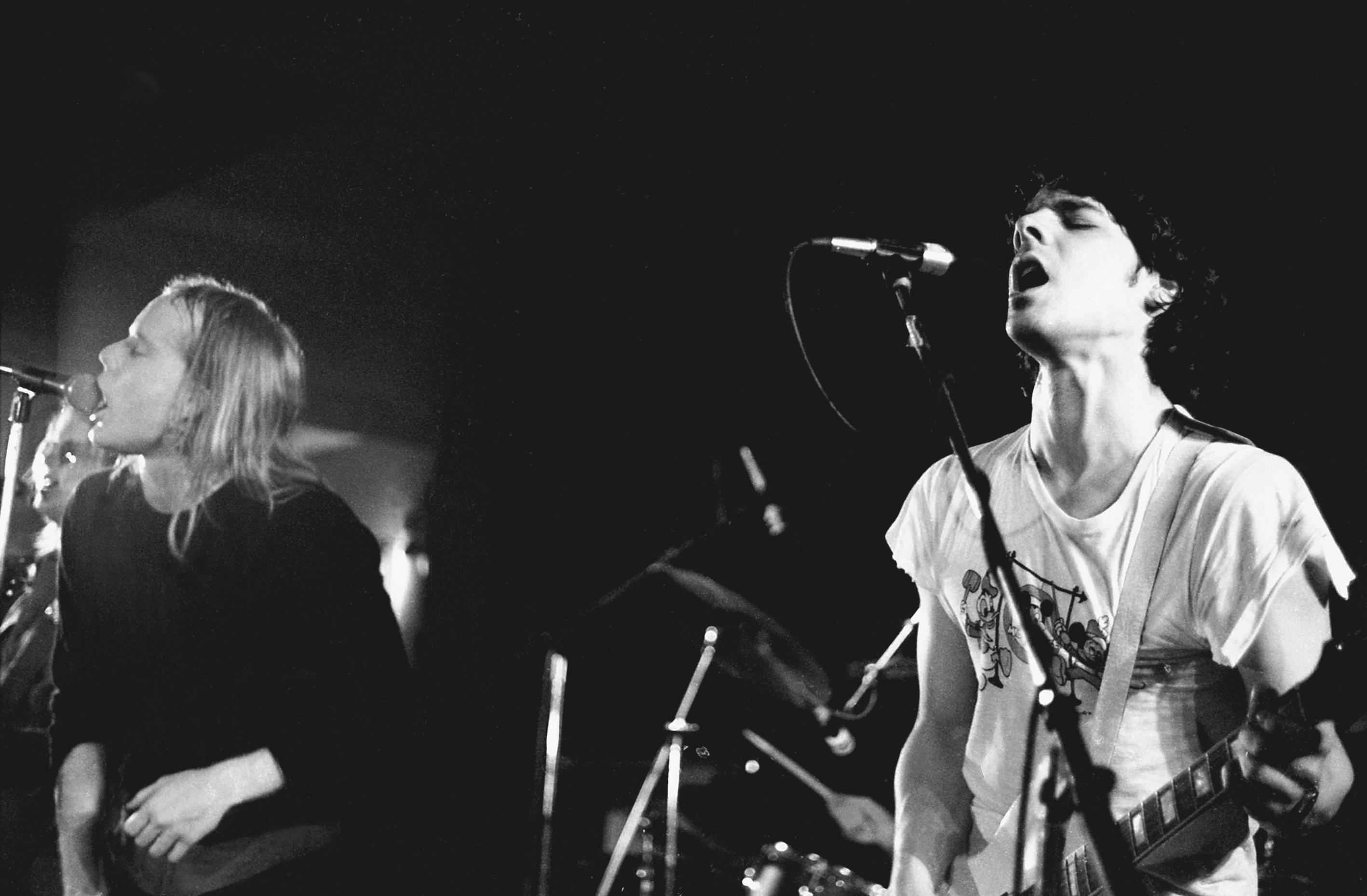
RADIO BIRDMAN FORMED IN 1974 BY YOU AND VOCALIST ROB YOUNGER – AND THEN RECRUITED AN EARLY LINE-UP INCLUDING PIP HOYLE [KEYBOARDS]. RON KEELEY [DRUMS] AND CARL RORKER [BASS]. WHAT INSPIRED YOU TO START BIRDMAN?
The decision to start the band came from a love of playing music and wanting to do it on my own terms. Getting sacked from by old band TV Jones, meant it took a while until I found the right combination of people and right circumstances to make a great band. Even then, it wasn’t easy at first. Those formative years of Radio Birdman were terrible – I mean, we were having a great time, but if you looked at it from the point of view of a manager or from any commercial aspect, it was just hopeless.
YOU MADE TWO RADIO BIRDMAN ALBUMS [RADIOS APPEAR AND LIVING EYES] 1977 AND 1981 – HOW DID YOU CHANGE AS A PERSON IN THIS TIME.
The musical core of me has always been the same and has remained central to who I am. As far as the difference between me in 1977 and me in 2007, I’m much less self-reliant now. I’ve learned to be a team player more than I ever used to be. I value collaboration. Working with me in the old days, I did what I wanted to do, I trusted my own instincts 100% and if my vision wasn’t met, I went for it anyway. Working in emergency departments, and being the military gave me a sense of value of team effort too.
RADIO BIRDMAN WAS DESCRIBED AS A PUNK ACT IN THE EARLY DAYS; HOW DID THAT SIT WITH YOU?
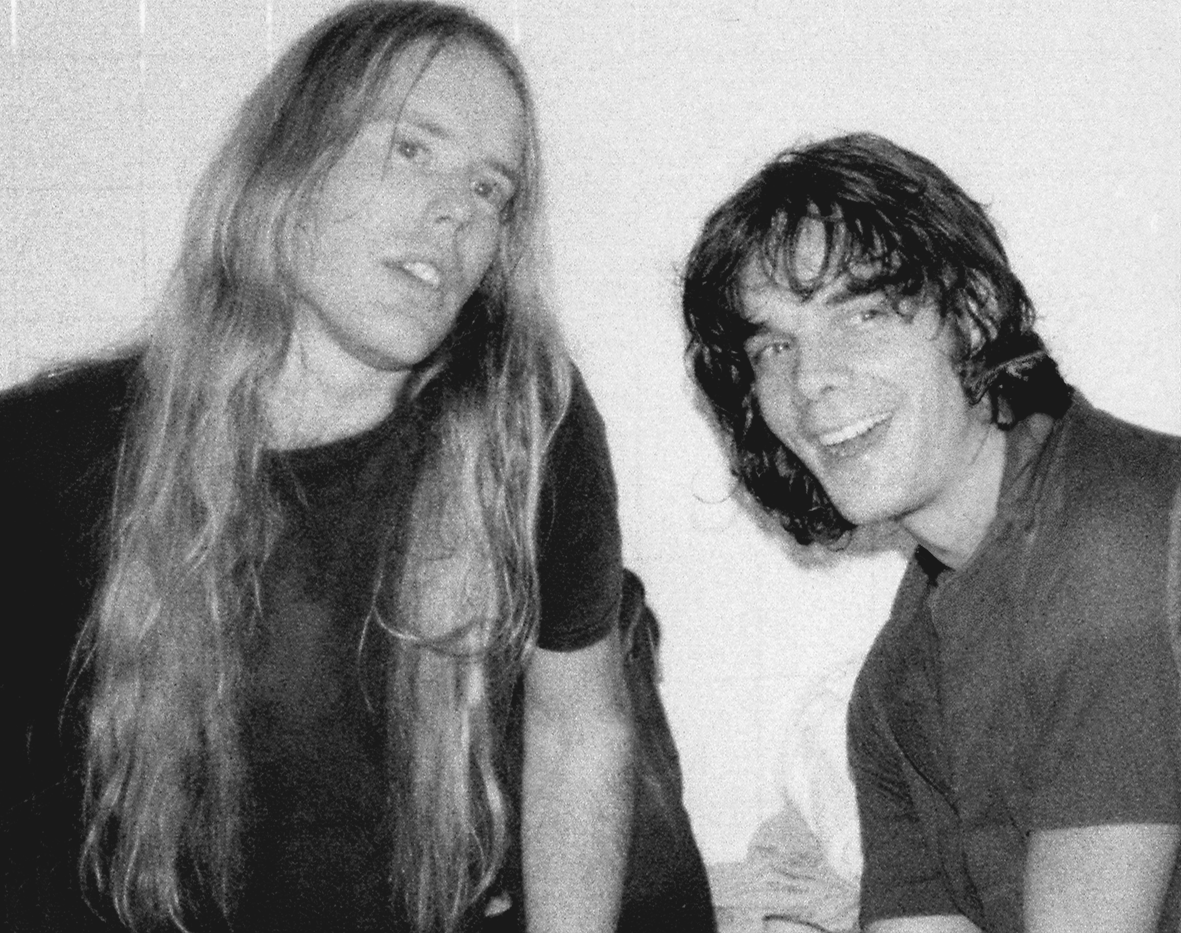
We never thought of ourselves as a punk band. We were a rock and roll band playing music that was both original and true to the roots of rock and roll. In other words, not heavy on technique or complexity, but heavy on energy and passion. We were pretty energetic and loud, and by the time punk music happened in the world in 1976 or so, people started to become aware of that. And those people immediately started to say that’s what we were, because there wasn’t a way for us to really be identified until then. We got that label and it was actually quite good because once you get a label, you’re a bit less dangerous to the establishment.
WE GET SOME INSIGHT INTO YOUR FAMILY LIFE. ARE YOU PARENTS STILL AROUND?
No, both my parents died, and that’s really why my wife Anne and I live in Hawaii – to run the little farm my parents started. When my dad retired as a Professor at the University of Michigan, they moved to Hawaii and built a small farm on 10 acres. In the last years of my mother’s life, my wife Anne and I were taking care of her. One of the last coherent things Mum said was: “I’d really like you to take care of this place”. I said, “ok we will” and hence why we’re here on the property. My two younger brothers are still around – both live in the U.S. on the mainland. I’ve been in Hawaii full time since 2018.
YOUR WORK AS A MEDIC – AND SURGEON. SAVING LIVES. DEATH HAS ALWAYS BEEN PART OF THAT; DO YOU THINK OF YOUR OWN MORTALITY MORE NOW AS YOU GET OLDER?
I never thought about death when I was younger or on the job; but the older I got, and saw friends die, you realise you’re not going to be here forever, and you better make the most of it while you are. I am all about living and doing what you love.
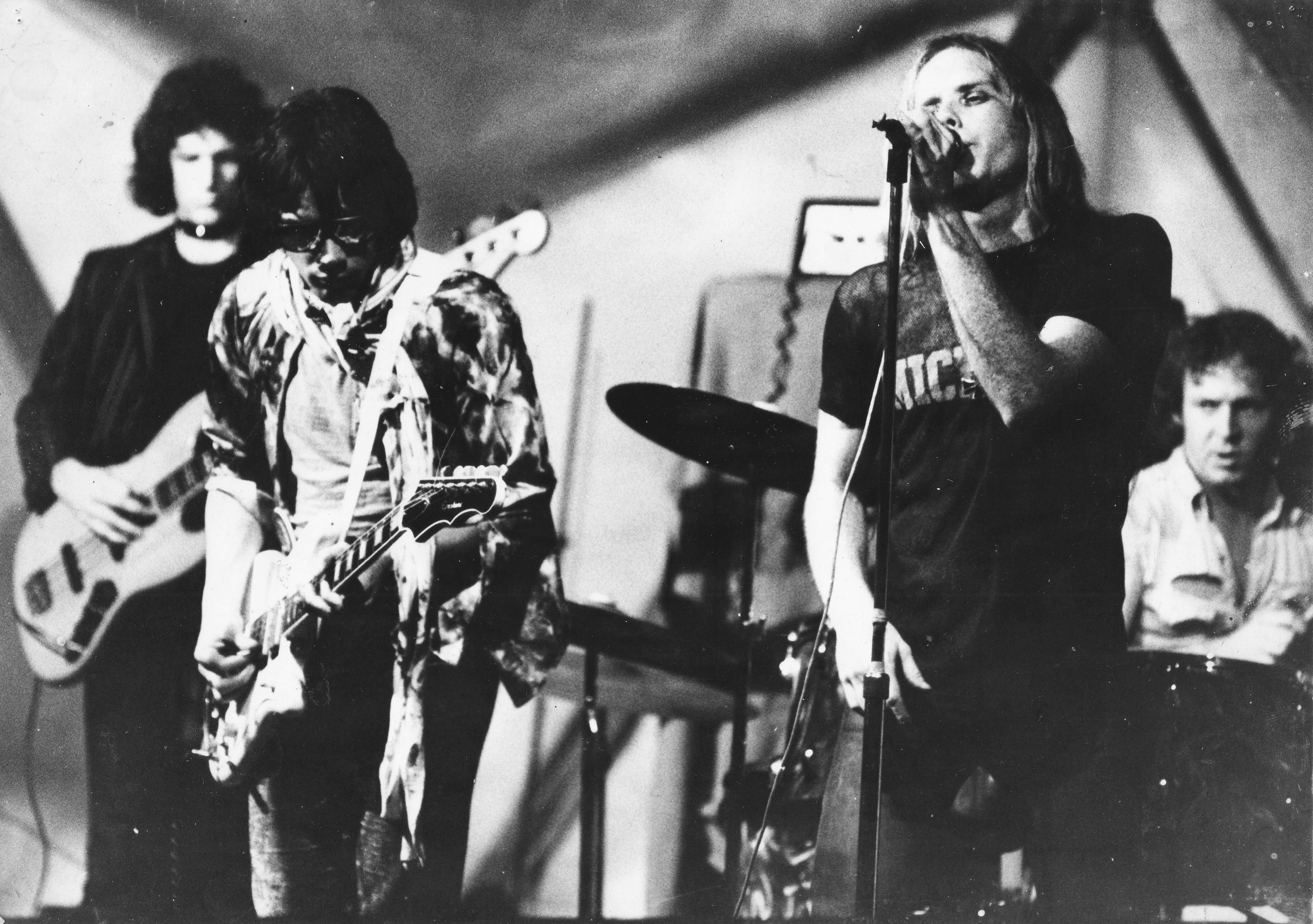
YOU STAYED ON THE STRAIGHT AND NARROW IN A ROCK BAND. HOW WAS THAT POSSIBLE IN SYDNEY DURING THE 1970’s and 80s.
I knew that if I got heavily into drugs or alcohol or did other self-destructive behavioural things that I wasn’t going to be able to do the things I wanted to do in life. That was at the forefront of my mind, and I was never really attracted to the idea of getting into it. I also wanted to become a doctor. I had other plans too.
YOU AND HENRY ROLLINS ARE CONNECTED THROUGH A MUTUAL LATE FRIEND RON ASHETON OF THE STOOGES FAME. DO YOU REMEMBER THE FIRST TIME YOU MET?
The first time I met Henry Rollins was when my group supported him at the Hordern Pavilion in Sydney. He wasn’t interested in me at all, but definitely very interested in my drummer Scott Ashton – who was the drummer for The Stooges. Henry came backstage, and he just wanted to talk to Scott. The next time I ran into him was after I played at a Ron Ashton Memorial Concert. It was two years after Ron died and I was asked to join The Stooges and play four of their early songs. Then guitarist James Williamson got up and did the Raw Power songs. At the end of the gig, we all played No Fun together. Henry was there, and this time he was very respectful to me – a super nice guy. He gave the most brilliant speech at that concert -and asked to say a few words about Ron -an improvised 20 minutes speech with no notes. It was one of the most moving eulogises I’ve ever heard. At the very end of the concert, Iggy Pop invited everyone in the crowd to come up on stage – all of a sudden there’s 100 people bouncing off each other and jumping around. James and I had a couple of pedals in front of us; all plugged in with cords into our guitars that went back to an amplifier. If somebody stood on those jack plugs, it was over.
The next thing I looked up and see Henry Rollins and one of the roadies in front of our pedals, and shouldering people off to keep our equipment safe. I remember looking down and seeing Henry’s Black Flag tattoo on the back of his neck; a very muscular neck and thinking wow. I later learned he was a Birdman fan and had all our records too.
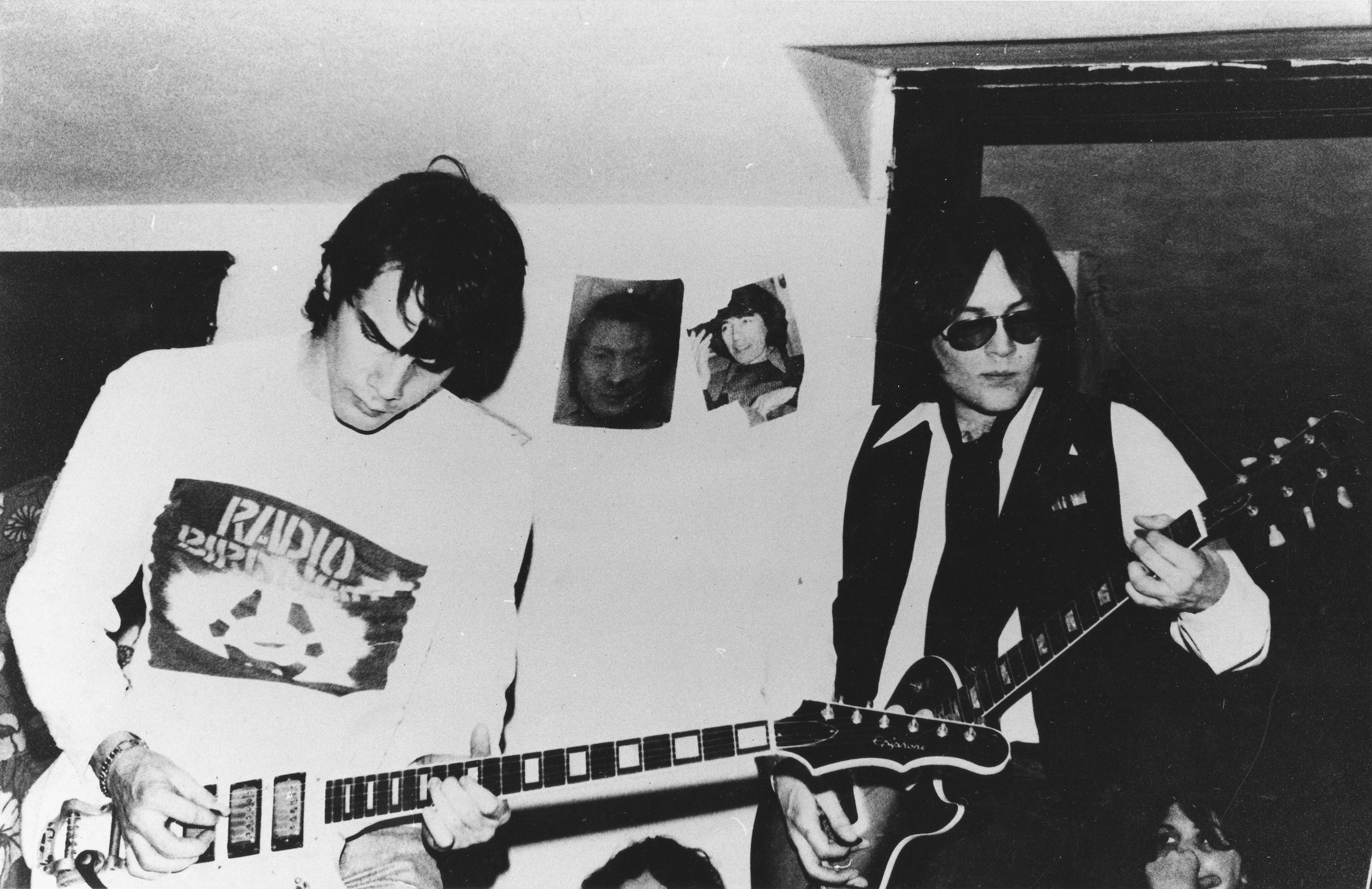
WHAT’S SOME OF THE MUSIC THAT CHANGED YOUR LIFE
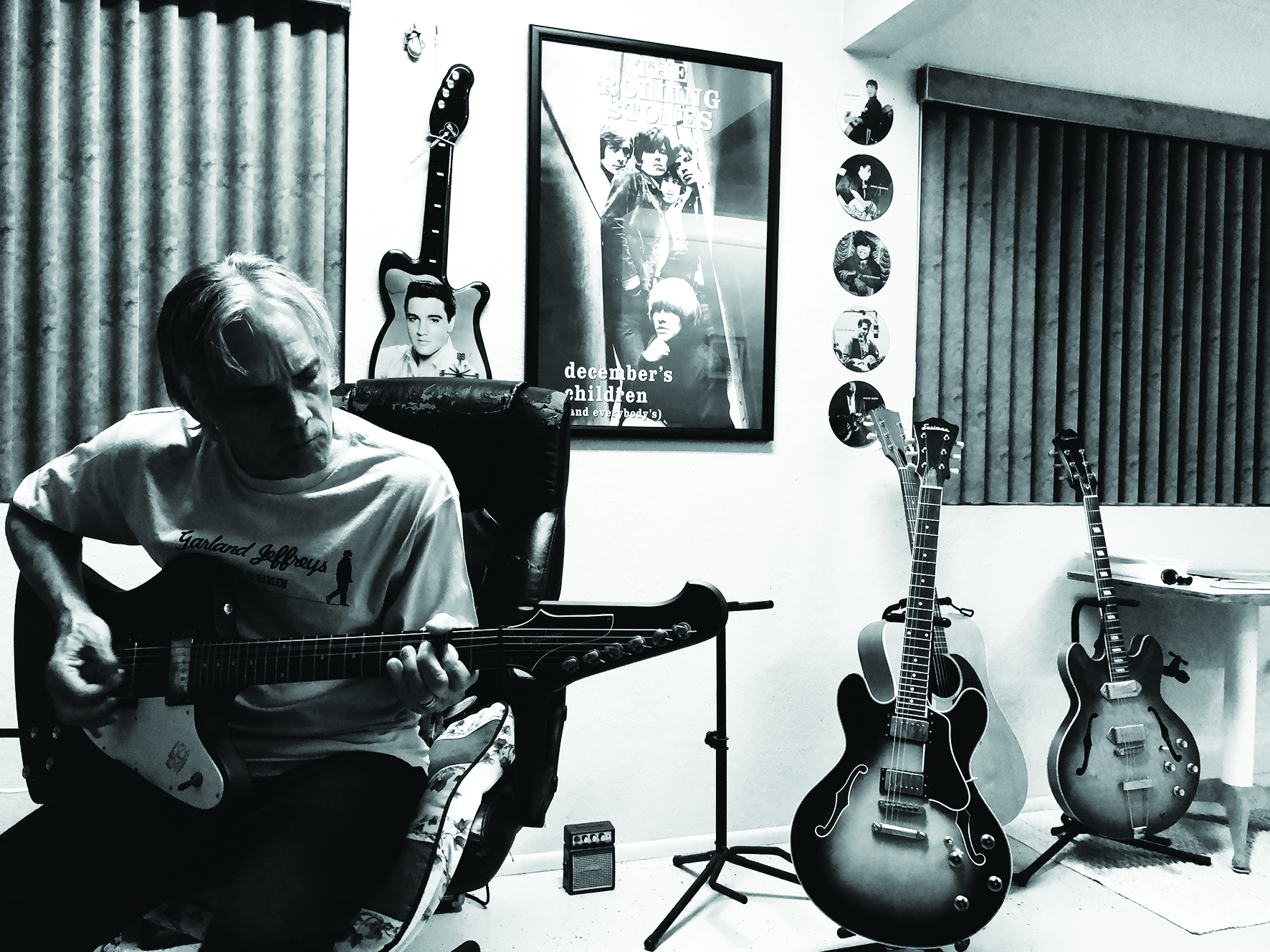
I was listening a lot of The Rolling Stones and saw them in 1969 – it was life changing for me. From Let It Bleed, Sticky Fingers, Exile on Main Street – those series of albums changed me. Then The Stooges albums – all three of them left their mark, MC5, Motown and James Brown Live – you can’t go past Live at the Apollo in 1963 for an incredible album. I also loved surf music, The Shadows and I also loved The New York Dolls – they had a big influence on Radio Birdman’s lead singer Rob Younger as did the Blue Oyster Cult.
RADIO BIRDMAN RELEASED ZENO BEACH IN 2006; 25 YEARS AFTER YOUR FINAL ALBUM.
We got back together in 1996, and started touring again. We did several tours in Europe and went around Australia doing the old material. We didn’t have any new original songs, and I forced the issue and told the other guys in the band if we’re going to keep doing this, we’re just going to be a tribute band to ourselves. I told them I didn’t want to do this anymore unless we made new music. I was prepared to call it quits. I insisted that we write and record a new album and came out with Zeno Beach in 2006.
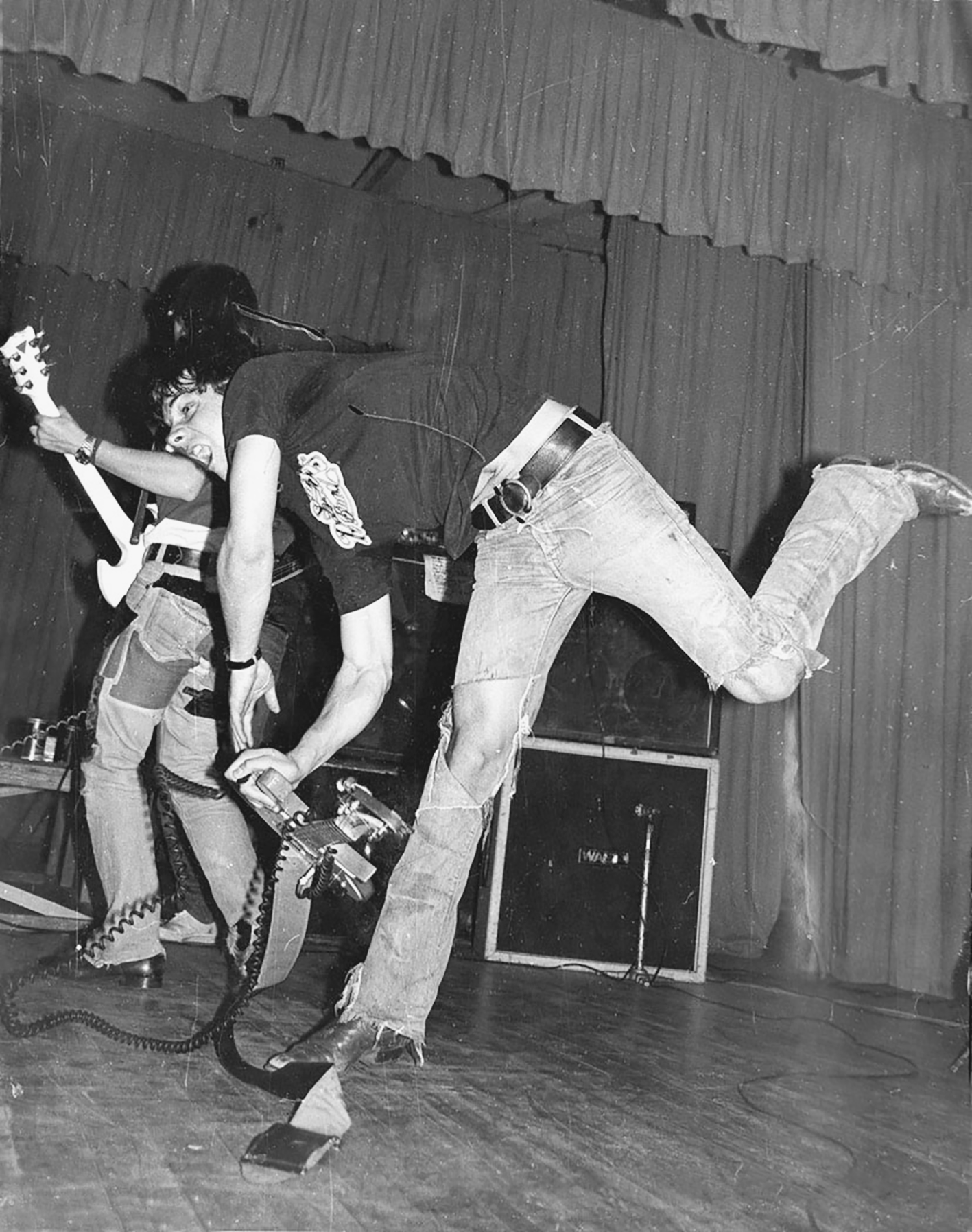
WHAT’S NEXT – SOMETHING YOU REALLY WANNA DO BUT HAVEN’T YET?
I want to become conversational in French. I’ve done Duolingo for quite a while, and it only takes you so far. My wife Anne is from France, and so is her family. Every time we go there, I want to be able to talk to people and understand what they’re saying . So that’s my goal. I also have two daughters in Australia [from his first marriage] – they’re now 39 and 42; one lives in Coffs Harbour. I have just become a grandfather and can’t wait to spend time with them all.
FULL THROTTLE BY DENIZ TEK IS OUT NOW
ALSO CHECK OUT:
Radio Birdman: Retaliate first: How One Band Smashed the Rules of Australian Rock and Roll by MURRAY ENGLEHEART.